

Advice and Guidelines
Advice and guidance for parents
Introduction
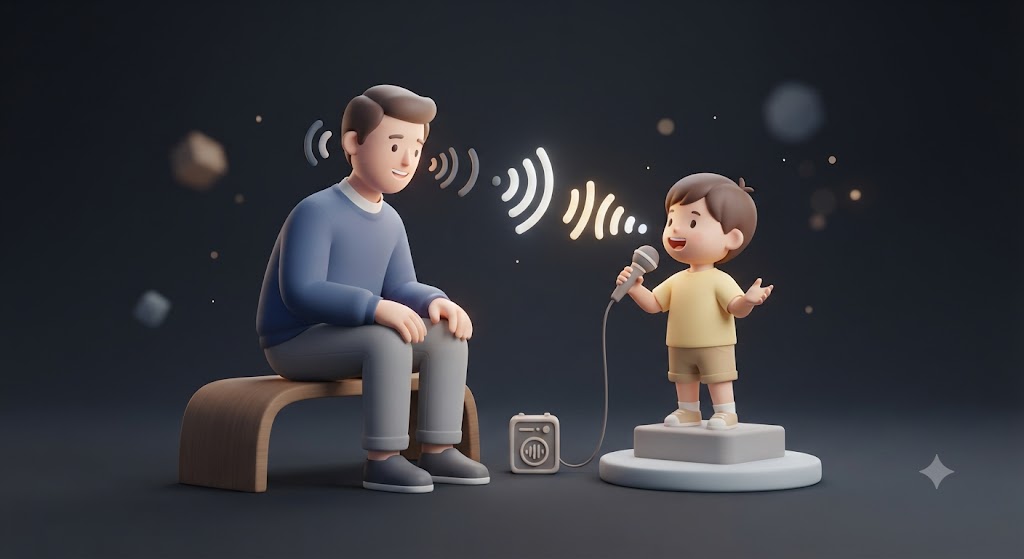
Effective communication is the cornerstone of building a social and leadership personality. A child who can express their ideas clearly and listen to others is less prone to misunderstandings and more capable of building strong friendships. Communication is not just words; it is a mix of body language, tone of voice, and understanding context.
Strategies to Enhance Speaking and Listening Skills
- Be an Active Listener for Your Child: For your child to learn to listen, they must see it from you. When they speak, put down your phone, get down to their eye level, and make eye contact.
- Encourage Storytelling and Logical Sequencing: Ask your child to recount their day at school or retell a story they read. Train them to use transition words (first, then, next, finally) to organize their thoughts.
- Role-Playing Games: Create imaginary situations and ask your child to handle them. For example: "Imagine you want to borrow a pen from a classmate; how would you ask politely?"
- Teach Conversational Etiquette: Explain that interrupting is impolite. Teach them to wait until the speaker finishes, and that listening means trying to understand the other's point of view.
- Expand Vocabulary: Continuous reading and talking to the child using diverse and refined vocabulary enriches their lexicon, giving them more confidence when speaking in front of others.
Conclusion
Good communication is a bridge connecting the child to the outside world. Through warm family dialogue and continuous practice, we prepare our children to be confident speakers and empathetic listeners in the future.
« The pen is mightier than the sword. »