

Advice and Guidelines
Advice and guidance for students
Introduction
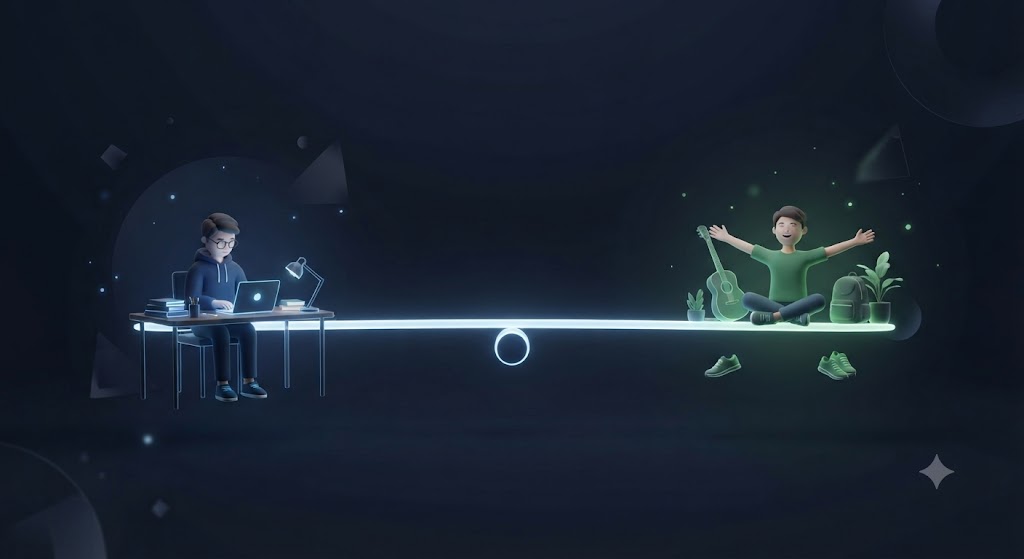
Many students live in one of two extremes: either total immersion in studies to the point of burnout, neglecting friends and hobbies; or complete immersion in entertainment, neglecting schoolwork until it piles up. Both lead to failure and frustration. A successful and happy student is one who masters the art of "balance." How do you give your studies their due without stealing away the joy of youth and your personal life?
Practical Steps to Achieve Work-Life Balance
- Draw a Line Between Study Time and Rest Time: Mixing the two is the worst thing you can do. Do not study while watching TV, and do not think about math equations while playing football with friends. When you study, be 100% present in your studies, and when you rest, completely detach your mind and enjoy your time without guilt.
- Avoid Perfectionism: Striving to be perfect in every exercise and every subject will drain all your time and energy. Know when to stop. If you have completed the assignment well and comprehensively, do not waste extra hours decorating the handwriting or looking for unrequired details. "Getting the job done well" is better than not finishing it in pursuit of perfection.
- Schedule Leisure Time (Just as You Schedule Studying): We write down exam dates in our planners, so why not write down leisure time? Dedicate sacred time in your weekly schedule for hobbies (drawing, sports, free reading) and time for family and friends. Seeing this time in your schedule will motivate you to finish your studies quickly to enjoy your reward.
- Learn to Say "No" to Unnecessary Distractions: Balance sometimes requires firm decisions. If you have an important test tomorrow, you must have the courage to say "no" to a friend inviting you out, or to a late-night movie. Conversely, learn to say "yes" to opportunities that rejuvenate you over the weekend.
- Take Care of Your Physical Health (The Golden Triangle): There is no true balance without the golden triangle: sufficient sleep, a healthy diet, and physical activity. A physically exhausted student will need two hours to understand a lesson that could be grasped in half an hour if they were rested. Your physical health is the engine that drives both your academic and personal life.
Conclusion
Studying is an important part of your life, but it is not your entire life. Academic excellence is incomplete without strong mental health and sound social relationships. Balance is not a static state you reach, but a daily effort to adjust your time compass between what you must do (duties) and what you love to do (passion and rest).